
An in-depth interview with Raphael
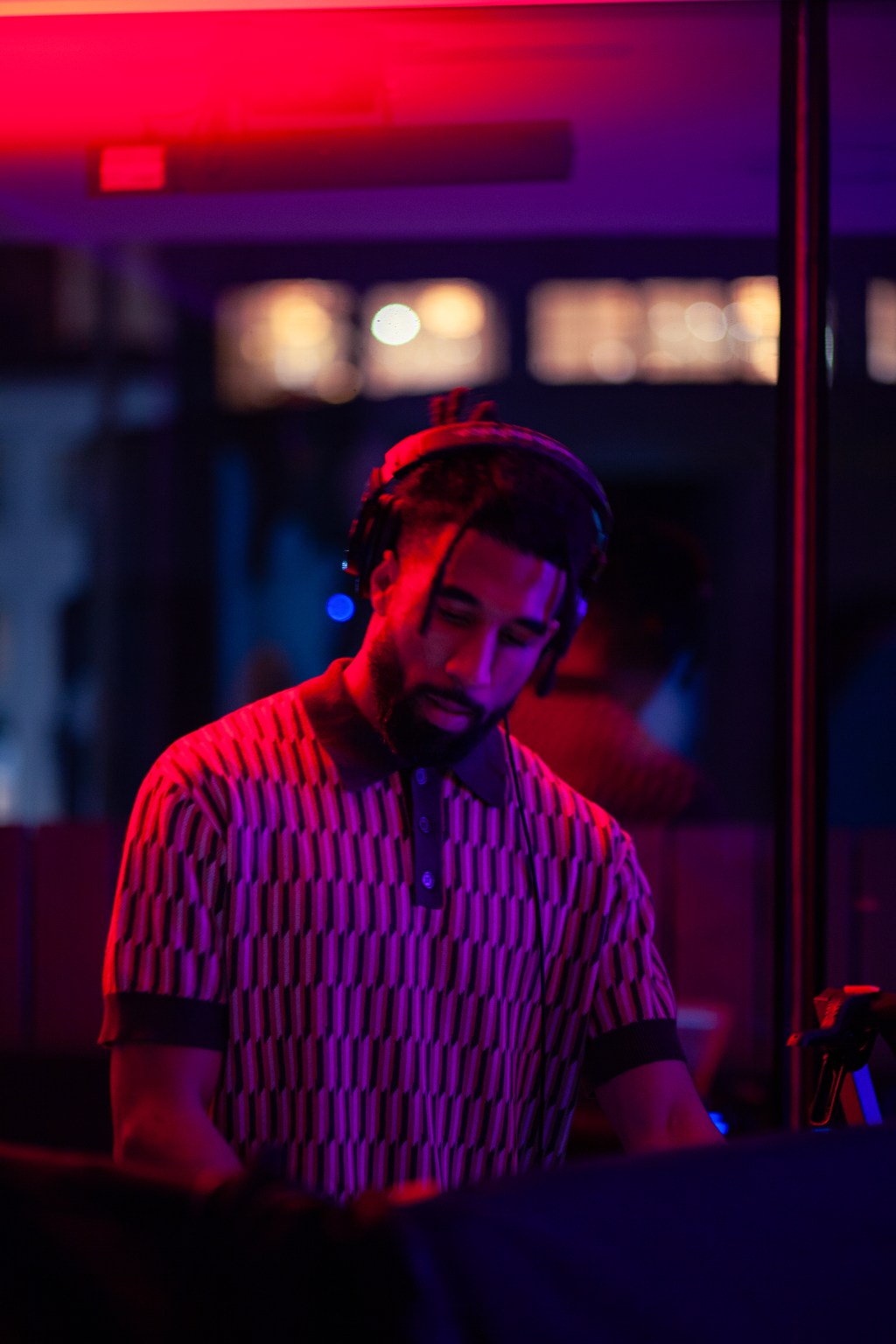
London-based DJ, music producer and artist Raphael has a love of music that runs very deep. Some might say he was born with it, as his incredible ear for music can be traced back to his childhood. He and his dad bonded over Rare Groove, jazz funk and Lovers Rock, which gave Raphael the foundations of his eclectic and wide-ranging music taste. Raphael appreciates music at its core listening to drum patterns, analysing vocal loops and staying hooked on a mesmerising loop. It is this attention to detail that has allowed him to DJ at some of the coolest music venues in London and gain hundreds of thousands of fans worldwide who are hooked on his mixes. In this conversation, he breaks down his love of music, his inspirations, how he DJs and his plans to take his music around the world.
Daniella: I noticed that you have a permission doc for a documentary in your linktree. Do you have a documentary out, I couldn’t seem to find it?
Raphael: Yeah, so we’re literally in the very early stages of filming it. We’ve only been shooting it for the past year. But it’s a long project I’m making with a filmmaker who is helping me to document my story.
Daniella: That’s really interesting and reminds me of Kanye’s Netflix doc “Jeen-Yuhs” and the filmmaker Coodie Simmons who followed him around. I’m interested to see your doc when it comes out! I’m actually really excited to have this conversation with you about music, but moreso your journey to loving music and sharing your discoveries with the world through DJing. Let’s start from the beginning. I always find it interesting hearing about people’s introduction to music. For me, it was the times my dad used to play gospel, jazz, Brazilian and west African music in the car on the way to church. I read that you’re actually classically trained and that you play percussion, piano and you played in your school orchestra. On top of that being exposed to London’s pirate radio stations as a teenager through those journeys with your dad. Can you talk us through your teenage years and how your love of music began?
Raphael: That’s amazing. You’ve done your research.
Daniella: Haha, yeah, I like to say I’m a bit like Nardwuar when it comes to interviews.
Raphael: It’s so good. I love that, Nardwuar is my favourite. My earliest music memory is being in the back seat of my dad’s car at maybe like 3 or 4 years old. He had a lot of friends that were either DJs or collectors. He would play cassette tapes in the car and these were all Rare Groove, jazz funk kind of fusion tracks, Lovers Rock and all sorts. Then when I grew up, I realised that all we would listen to in the car specifically was underground pirate radio stations. That was always on. So, I was always listening to obscure and unknown music really.
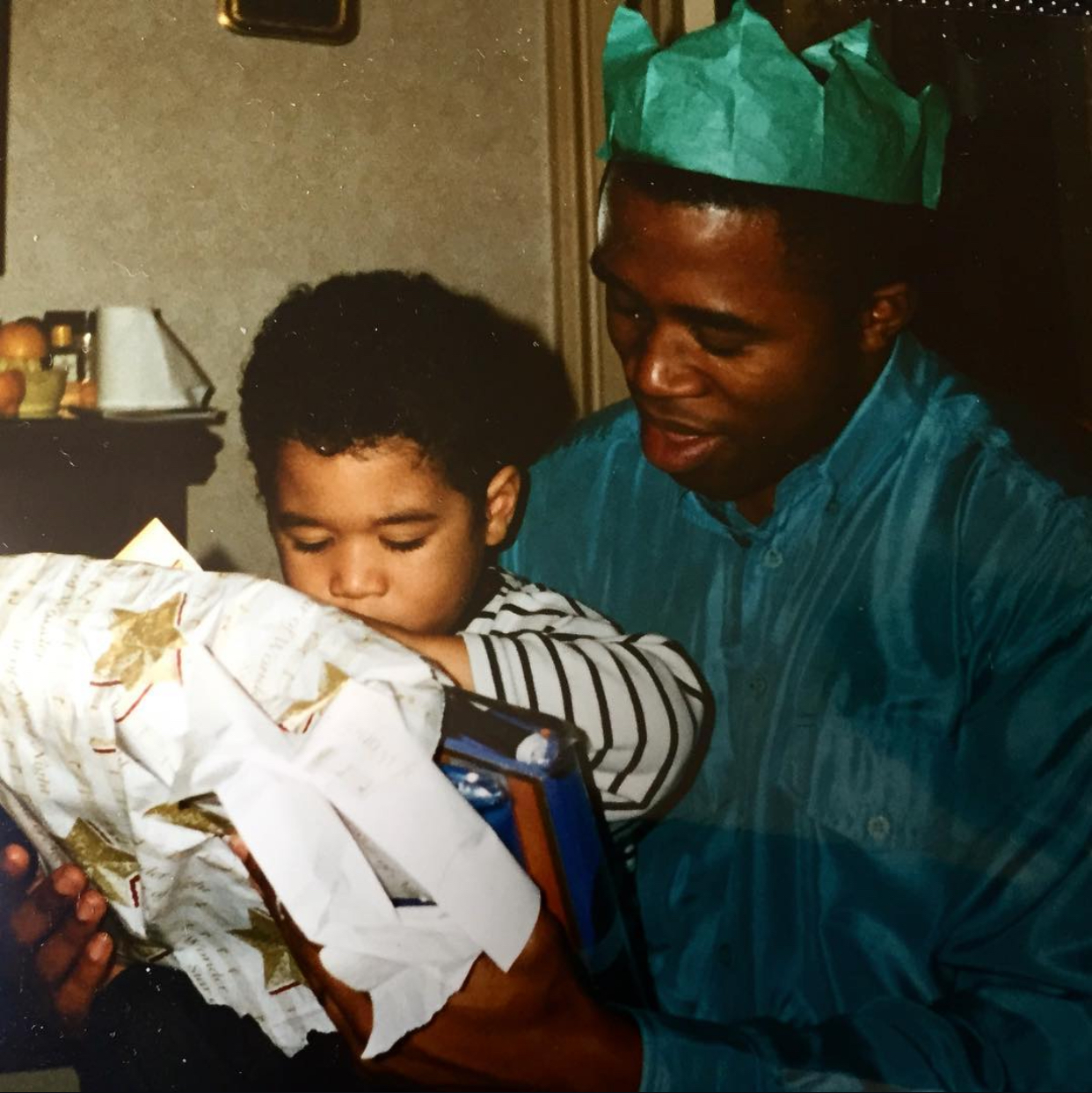
But, then I’d go back to my parent’s collection of records and CDs. It was everything from Roy Ayers to Earth, Wind & Fire and Donald Byrd. What my mum listened to was a lot of lounge chill out stuff, Jean-Michel Jarre and classical music. If you fuse that electronic ambient sound with soul, hip-hop, jazz and classical you get what I listened to in my early years. I started to really get into what my dad was listening to when I was maybe 10 or 12 years old. And that was American soulful house, deep house, garage and a lot of music produced in the UK too. That was what I gravitated to. I would sit down with my dad and we would try and find these tracks, so I could put them into a mix. I was like 12 or 13 year’s old.
Daniella: Wow, already having an ear for mixes at 12/13 year’s old is incredible. And following from this, how did your music discovery progress throughout your teenage years?
Raphael: In my teenage years to university I was straight up listening to hip-hop, neo soul and R&B. I’d always been listening to it, but I never could pinpoint where I’d heard it before. I realised that most of the music I listened to was sampled from early jazz records or classical music. Throughout all my time at university, I was just digging online. I spent so much time looking at records and trying to find where samples had come from.
After uni, I started to get into producing and making music. I was doing it at uni, but very casually. I didn’t really show it to anyone at first, but then I started posting it online. I started to show more people and continue making mixes. The first mix that I recorded was when I was 16 or 17. I just uploaded that to YouTube. It was a mix of music that I was really messing with at the time, a lot of Tall Black Guy, a lot of Freddie Joachim too. There was a podcast called Mellow Orange and it was like a vinyl session. It literally blew my mind and opened my whole world to sounds that I’d never heard before.
So, I just made my own mix of it and the rest is history. That one mix I did all those years ago, that’s just taken off. Chilled hip-hop and neo soul mix number one. Then afterwards it was just about trying to upload consistently. I moved into house music, then I did a jazz series for a while and just one off mixes and guest mixes. I always maintained a love for it. I always wanted to do it and felt that there was so much good music that wasn’t being played. So that’s my journey.
Daniella: I loved that breakdown of your music discovery. It’s also great to see how well versed you are on different genres of music too. I feel like this is part of the key to being an incredible DJ or music producer, it’s almost like having to be a student of music first and foremost. Being both a DJ and a music producer, which do you enjoy most and why?
Raphael: That’s a really good question. It’s difficult to put my finger on. There’s times where I won’t produce anything for months and years and I’ll just be focused on delivering mixes. Then there’s other times where I literally don’t want to make a mix and I just want to make beats all day. It fluctuates a lot. I can’t really decide which I prefer more. One thing that always resonates with me is the feeling of putting people on to music. When people say, “I’ve never heard this before.” That has changed my life. I don’t take it lightly at all. People will have grown up with music and mixes, they would have gone through phases of life and can pinpoint exactly where they were when they heard a particular song. That’s such a powerful thing for me. Making mixes is an underrated strength and power that I think people undervalue. There’s power in telling stories and taking people on a journey.
Daniella: The way you explained that is so cool, hearing certain songs can easily translate to a visual memory or an emotion, good or bad. It’s definitely a powerful thing. This has got me thinking about a conversation I had last year with Kaelin Ellis. He was speaking about how he obsesses over a loop and how he can stay in that looped sound for ages. I find that’s something I do a lot, repeating songs on SoundCloud or Bandcamp, obsessing over the music of the sample-based producers I love.
Raphael: Yeah, yeah!
Daniella: Do you have those moments like that where you obsess over specific parts of a song or sound, especially when you’re prepping for sets or creating remixes and mixes? If so, can you recall a moment when this has happened and what song it was?
Raphael: Firstly, Kaelin Ellis is incredible! He’s an absolute monster, I rate his music so much.
Daniella: Yes, he’s so talented!
Raphael: I definitely have phases. I think my Spotify wrapped reveals that as well. It’ll be your most repeated track. I went through phases. This French producer See Dee and then Styles Davis and WLLFLXX, they’re like the Avengers of that kind of style and atmosphere of music.
Daniella: Ooo, I love See Dee’s music too!
Raphael: I went through a phase of re-listening to one or two See Dee tracks. I think it was a collab that he did with Styles Davis and WLLFLXX. There’s been a few tracks they’ve made, which have just been crazy. There’s a track called Sooner or Later, which has a Musiq Soulchild vocal in. Even now to this day just speaking about it gives me chills. Another track I would say is Chill Pill by Hawk House.
Daniella: Yes, Hawk House was a legendary group! I still listen to their music and Demae’s as a solo artist too.
Raphael: Yeah, that was probably the first tune that opened my world. I heard that in college. The video is so cold. The style, the fashion, the lyrics, the beat and everything together. It just encapsulated my vision and to this day, I’m still repeating that track. I just love the atmosphere of it. There’ll even be sections of certain tracks that I love looping. There’s a track by someone I found on Soundcloud not too long ago and there’s a 30-second outro that’s looped. It had me in a headlock for a long time and it still does. Literally everything on my SoundCloud likes is loopable.
Daniella: I definitely relate to that. I find when I talk to producers, there comes a point where they want to start DJing, because they want to be in the room with their community and see people enjoying their music. Kinda like Kaytranada’s career trajectory. So, it’s interesting to hear your take on being a DJ and producer. You’ve spoken about discovery, about your dad and growing up. How do you keep your creativity alive? What does discovery and finding new sounds mean to you?
Raphael: Whether I’m happy, sad, busy or relaxed, there’s always stuff that I find and I want to make a note of. Discovery is me spending hours online just looking through playlists, algorithms and trying to find tracks. I’ll either like, bookmark or just make a folder of these tracks and I’ll keep them for years, for when it feels right, when that track fits the journey. Also, word of mouth, speaking to people on social media, Bandcamp and literally everywhere you can listen to music. That’s where I am pretty much. I also like to look at other people’s likes, what other people are listening to. There’s a paper trail of new stuff that people have heard before. When we talk about discovery, that for me is what it feels like. And I try to put that into a mix, so that other people can have that feeling as well.
Daniella: I like how you worded it, because it really is a paper trail. I like to look at the likes and reposts of my favourite producers too, it’s such a smart way to discover music. I didn’t actually think about it as being a paper trail, but that’s the perfect description.
Raphael: Yeah.
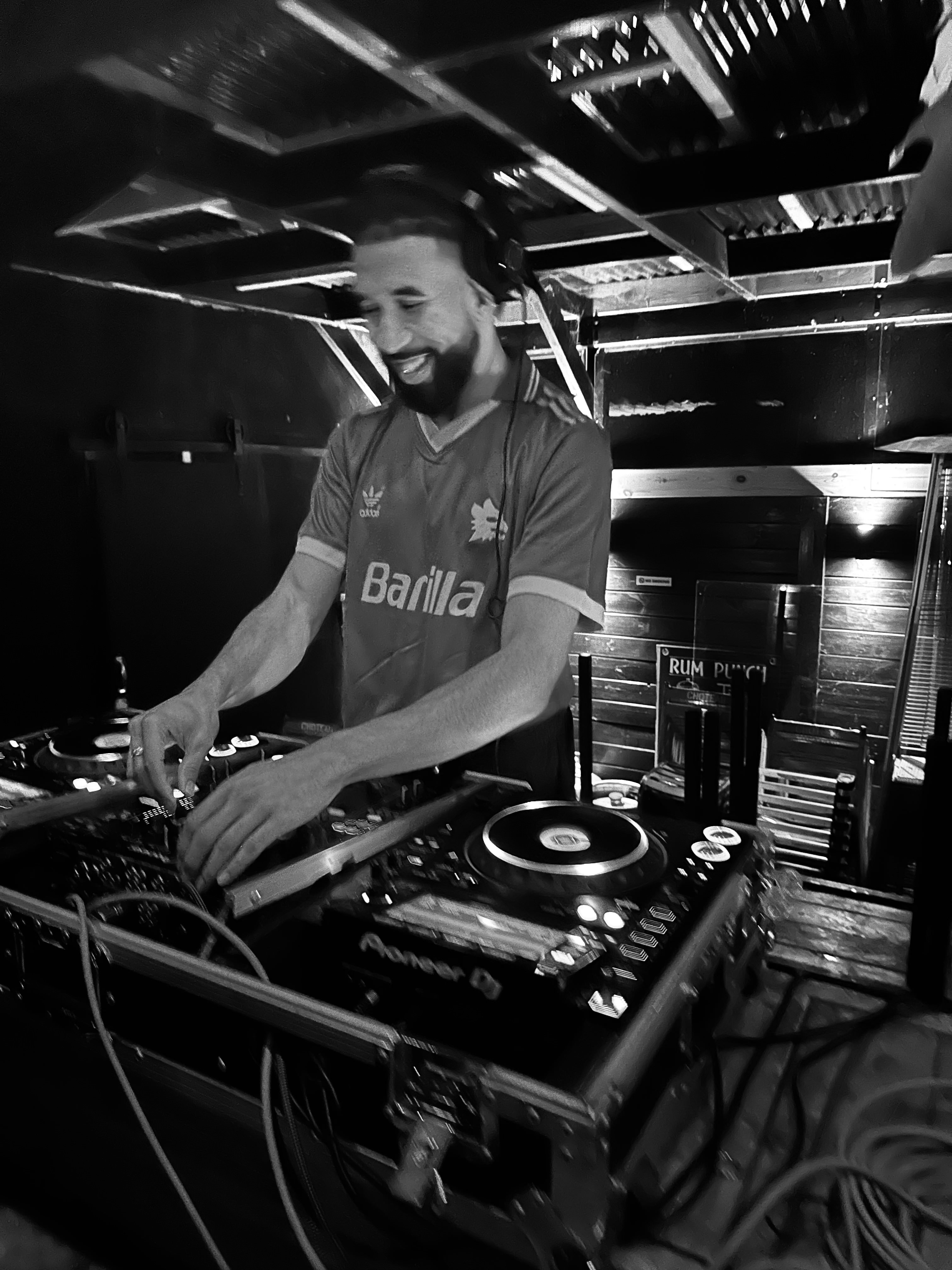
Daniella: I was reading some articles on your Substack and I read about your 4-hour set at Jumbi and it just got me thinking about DJing. The mental and physical toll it can have that no-one other than a DJ truly understands, being that embedded in London’s nightlife. How do you prioritize your physical health and wellness as a DJ and personal challenges have you had to overcome?
Raphael: It’s a real balancing act. I’ve always been very selective about where I play. Not from the perspective that I’m bigger than anyone or arrogance, but from a point of protecting my own energy and my own kind of standard and quality. If people come to see me play, I always want to try and give them an experience. I don’t want to repeat things. For that reason I’m very selective about where I play. I try to pick and choose, so my schedule isn’t exactly packed, as it could be. It means that I can take care of my well-being, my physical and psychological health, so that when I do play these shows, I can hit a four-hour or five-hour set and it’s an amazing experience for me. But, also for the audience. I can take people on a journey. Whereas if I’m tired or not aligned with myself, that isn’t necessarily going to happen. I’d probably say no to the actual gig, because I’m not in a good place. But, not everyone has that choice and that option. And I’m trying to do more and be a bit less perfectionist and less precious about it. But, my priority is my own well-being, because at the end of the day, the whole reason I do this is for myself.
I really want to do it for my own sort of sense of pride and worth. Everything I put out has that authenticity. It comes from a true place. Those extended sets are hard and when there’s a few nights back to back, it can be difficult and I’m naturally more on the introverted side. So, I need that time to recuperate after those big sets. I think the key thing is just trying to be selective in order to protect myself.
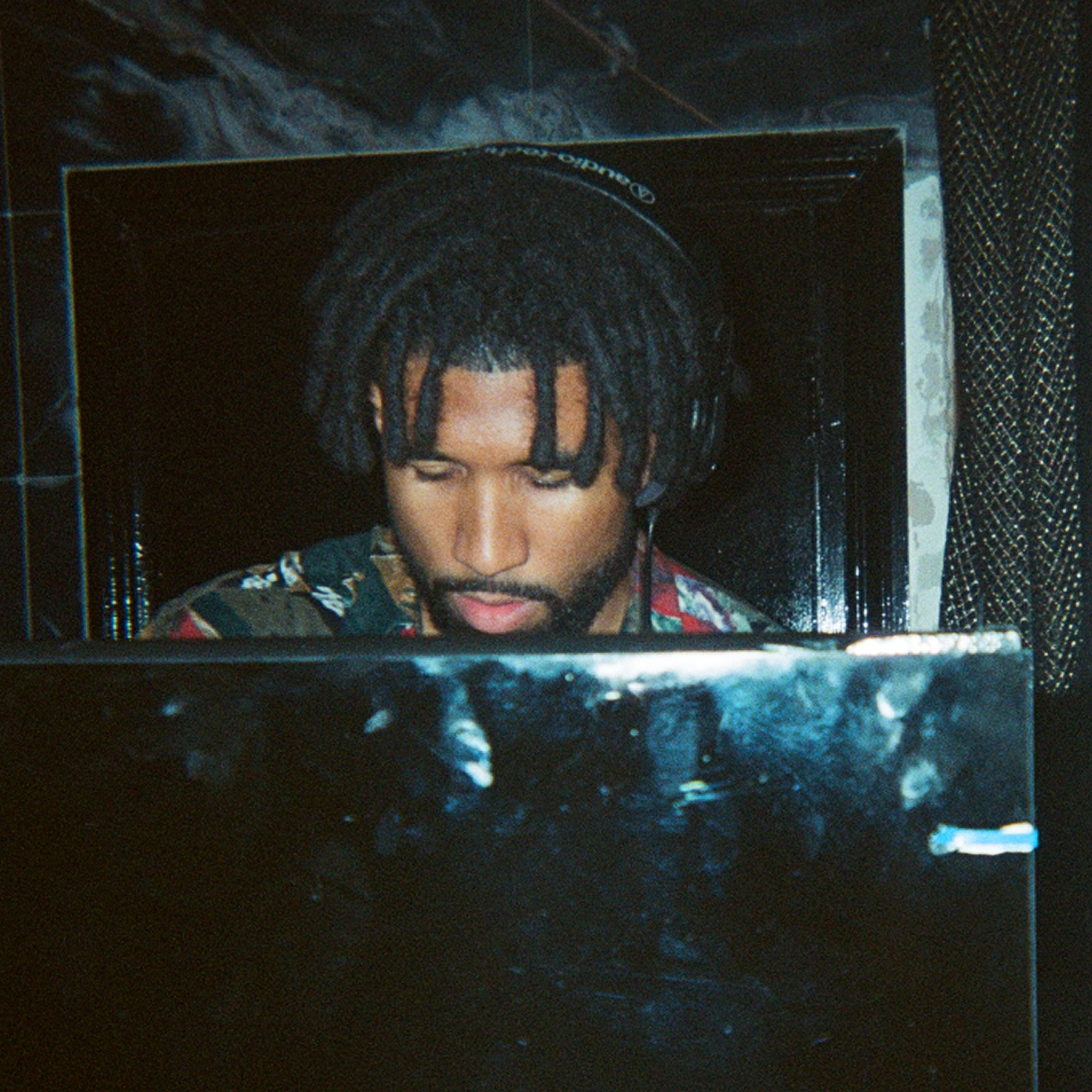
Daniella: I respect that a lot. I like that you don’t just go for things for the sake of just wanting to be out there. I think that’s a good mindset to have in general. How challenging is it for you to create sets that keep people engaged throughout the whole set?
Raphael: It’s a tough one, because throughout the night or even at a certain venue, you will have different energies. You’ll go through different music and you might get people dancing, you might get it packed and you might lose people. But I feel like that’s all part of the journey. I intentionally go into every set without much of a plan. I don’t really like to prepare anything. I don’t like to have a set track list. What I’ll do normally is just prepare a folder of tracks that I want to play, have my extended library and see what happens. And I feel like that’s when the best things happen in a live setting. I always kind of want to take people on a journey, literally from the first minute they arrive, the first minute I press play to when security is kicking me out pretty much.
Daniella: Haha, that’s so cool. I like that your mixes have soulful elements and even gospel music, you’ve just got so many different genres in there. I’m very much an “authenticity over numbers” type of person, but I think it’s important to recognise who much you’ve been able to achieve in building your community. Your YouTube channel now has over 113K subscribers with mixes that have amassed hundreds of thousands of views. For people reading this who are curious about how to build a YouTube channel from the perspective of someone who loves music, what tips do you have in terms of growing an audience?
Raphael: The truth is…I don’t really know.
Daniella: Ha, I love that!
Raphael: There’s no formulaic approach at all. What I have done and what I’ve tried to do is focus on quality more than quantity and consistency. I’d say those are the kind of key pillars that I’ve always maintained since starting up until now. I’ve always tried to listen to my own voice. I don’t try to morph my sound or my selections or mixes into someone else’s. I’ve always just thought this is what’s coming out of me. This is what I want to say and this is how I do it through the music. Make sure you lead with integrity, authority, authenticity and just do it from a place where it’s because you love it, not because you’re trying to get attention. That’s what I did from day one.
There were years where I’d upload two or three mixes in a whole year. And people would still be fiending for the next mix. They’d be like, “when’s it dropping? We’re starving out here.” It’d be easy for me to cave in and just put something together to appease people. But I always want to do it when it’s on my clock and I’m happy with the timing, because life needs to work out as well for me personally. Life needs to kind of happen with the mixes. I’ve been doing this for over 10 years. It’s an organic thing. It doesn’t happen overnight unless you want to go down a different path which is okay and that’s for certain people, but for me I wanted to go down the organic path and that has paid dividends for me. It’s just that community is what’s so powerful and that’s what I’m trying to hold on to really.
Daniella: I love that so much. Community is everything. I feel like often times with creators and even agencies they preach about this rule book to doing things a certain way, to running a platform and building a YouTube channel. Everything doesn’t have to be so rigid, structured and formulaic to thrive. While certain things may work for the algorithm, organic and community-driven growth is possible and achievable without having a formula to things, especially as a music lover. It makes me think of the platform GodsConnect and how they’ve reached pure music lovers and have built such an amazing community and platform for discovery.
Raphael: Yeah, yeah, yeah, yeah!
Daniella: I have always felt like organic and community-focused platforms are the ones that really connect with people and stand the test of time. So, I love what you’re doing and also that you’re so familiar with so many underground producers. You just know about a lot of people, which is so cool. I would say that I listen to a lot of beats and instrumentals. I prefer that to lyrics, if I’m being honest. I feel like a lot of that for me came from when I first discovered J Dilla’s music. Something just shifted in the way I listened to music after that and I just became this beat enthusiast. I really take in a beat with every song that’s what I do just naturally. I was wondering if it’s the same for you and which you prefer, the beat or the lyrics?
Raphael: You know what? People would ask me what the name of certain tracks were, the artist and the title and to this day, I don’t know.
Daniella: Haha, so relatable.
Raphael: I literally don’t know. But if you play it, I’ll be like, “Yeah, yeah, this is in my playlist. This is in my library. I’ve played this many times.” I’m terrible with any kind of names, artists and lyrics. It’s not even from a place where I’m intentionally doing it. I’ve always had more of an affinity for the production and the sound. I’ll go on Spotify and check the credits all the time to see who produced the track. That for me is way more interesting than the lyrics most of the time. I know for other people it’s different. Some people are more kind of lyrical, poetic and more in tune in terms of the literature, the meaning and the metaphors.
But for me, my ear is much more kind of in tune to the production. When I first started playing classical music, I was trying to read and count music and there were no lyrics. There’s a string section and percussion. Even when I started listening to J Dilla, Madlib and Tall Black Guy, there was just something about instrumentals or minimal vocals that always hit deeper. But, don’t get me wrong, I still love talented rappers and vocalists, but the instrumental just speaks to me. I feel like it said things that I couldn’t say through words and that is such a powerful thing.
Daniella: So true. You just described everything that I feel about music. I’ve spoken to some producers who have said that a dream of theirs is to be more involved in the overall production of a song. Working more closely with the artist rather than just sending the beat over and then just kind of having it used. What dreams do you have for your career as both a DJ and a producer?
Raphael: Big questions. If I break it down in the production side of things, I feel like my head is full of ideas. I want to put them into a sketchbook and out into the world. So yeah, it’d be nice to have some recognition, but I’m not really too fussed. I just want to get what’s in my head onto paper, onto the screen and into my ears, because I’ve had so many ideas that I just haven’t been able to sit down and do. I want to make whatever idea that comes into my mind, experiment with and try different things with different vocals. I want to improve my skills in the production side of things and maybe release an EP or an album one day. I’m not sure if that would be a solo thing or collaboration, but one day that would be on the cards.
On the DJ side of things, I’d like to play with some of my favourite people in big clubs and small festivals. To play where there is a good audience, an audience that loves music and is open to just whatever you select. Playing for open and responsive audiences is one of the greatest things ever, because you know that they’re going to be receptive and they’re going to be along for the ride.
Daniella: These are great dreams and all things I believe you’ll achieve. Who inspires you musically?
Raphael: See Dee, definitely. A producer who I’ve started to become more acquainted with is Styles Davis, who lives in London, not too far from me, he’s incredible. I love how he programs his drums and how he puts things together. It has such a human feel to it. Then there’s RADIOHOP, Last Nubian, GEOTHEORY, Oakland, Fr1th, Leon Thomas and Jake Milliner. Also, there’s a massive producer called Atjazz who’s like a house, electronic music producer that has inspired me for years. I listened to his music when I was very very young and it was always on repeat and now I’ve come back to it. He’s just incredible. There’s another soulful deep house music producer called Sean McCabe, who I really love. But also, J Dilla, Madlib and there’s this producer called D Mile as well. Everything he touches is incredible.
Daniella: Yes, yes and yes to all the names you mentioned! I also saw that you’re a graphic designer too, the illustrations and acrylic paintings on your art page are so good. When did you start painting and what medium do you prefer the most?
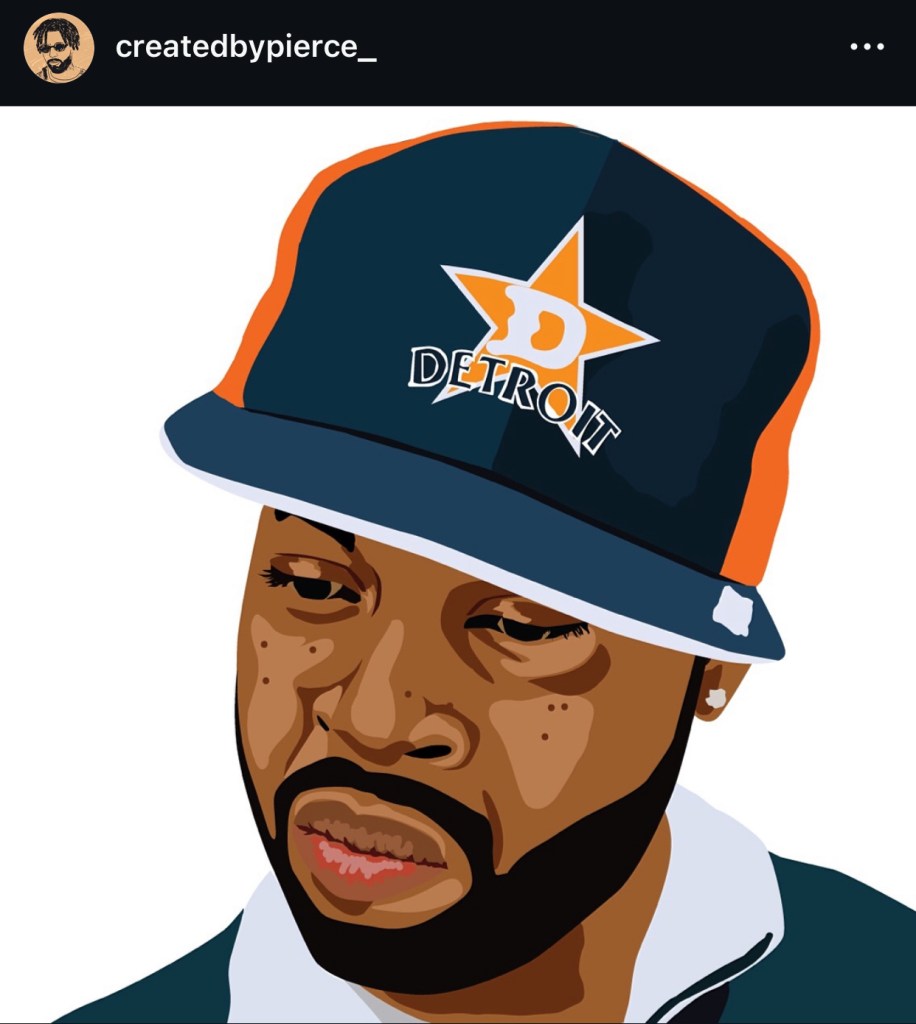
Raphael: Music and art are my two main loves. I’ve been doing both since day one really. When I was younger, I used to draw on walls. I used to draw on everything, my mum used to tell me off. There were pen markings everywhere. It was always something I didn’t have to think much about. It was always quite instinctive. I was in a lot of classes where I had the best time painting and I loved doing portraits, even now I’ve started to do a lot more portraits. They’re from photos of my travels. Whoever I’ve photographed, wherever I’ve gone, I usually use that as a subject of a portrait. I’m trying to do that more often now. There’s just not enough time in the day, but yeah, that’s kind of why I love acrylic. I love paint and using my hands.
I kind of transitioned more into commercial graphic design and illustration, which I still love. Throughout my time at uni, I was experimenting with a lot of different things and trying to combine the two. So, I’ve got illustrations of Sango, Kaytra and Eazy-E on my art page. It’s just random drawings and illustrations, I love doing that. That was kind of what I tried to attach to my full-time job. If I could do something like that or incorporate something illustrative or handmade, that would be amazing. And at the start it did, for a good two or three years it did. But then kind of moved more away from that, which wasn’t ideal. To counteract that I started painting again. I painted some students I met in Zambia, which was incredible and some people from Brazil as well when I spent some time in Rio.
Daniella: As a final question and one that I love to ask people in every interview, what are some of your goals or aspirations that you’d like to achieve in the future?
Raphael: I’d like to make it out to the US and South Africa, because those two places are where my biggest audiences are. For years, I’ve had so many people say, “When are you coming to Cape Town, Joburg, New York, Atlanta?” And I’m like, “I’d love to.” So, if there’s anyone listening or reading this that can make this happen, hit me up! I’ve had so much love from both the US and South Africa that I just know that if I go and play there, they will be so appreciative and along for the ride. And I know that I can just sort of connect with people that have listened for years as well. That’s definitely something that I’d love to happen very soon and also in the London space, I’d love to do some festivals. I’d also love to open for my favourite musicians or acts or other DJs and just kind of show the world I suppose because for a long time and even still now I never wanted it to be about myself as a person. I wanted to be about the Separate kind of the identity from the art and just have it where all people see is the music and an experience or an atmosphere. So, I just use photography and then have the mix. But now I’m trying to bring it to life and show people how it’s done.
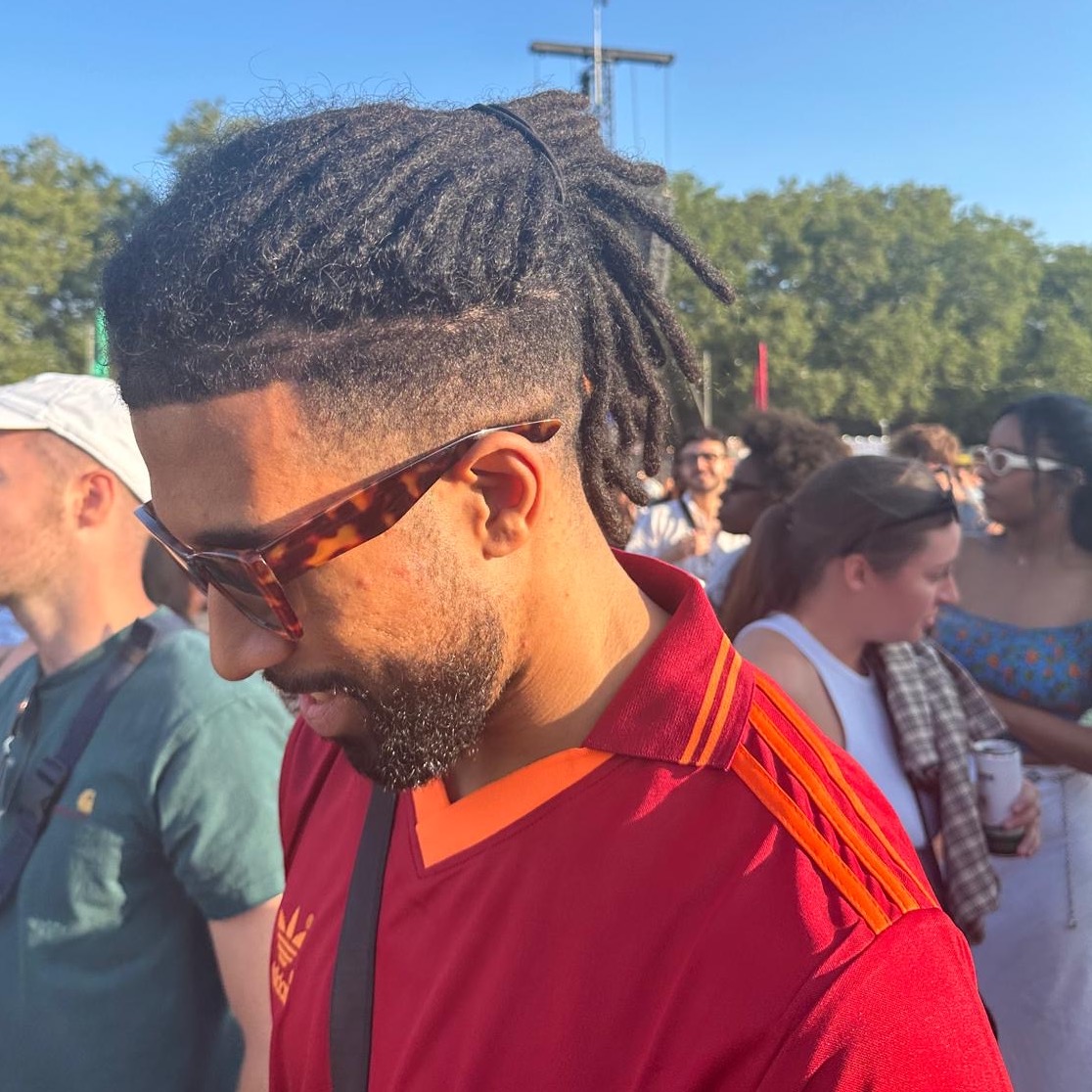
I just kind of want to be in spaces with people that have messed with me for so many years, I want to meet them and play music for them. I want to thank yourself and everyone that’s been listening all these years, everyone that’s been reading the Substack newsletter, which I’ve only just recently started up and it’s been doing so well. I just feel gratitude.
END.

